



Can You Bring Your Prescription Medications When Traveling Internationally?
Yes, you can generally take prescription medications when traveling abroad, but there are important restrictions based on the country you visit. Each nation has unique rules about which medicines are allowed. In some places, even common prescriptions in Peoria, IL—such as certain pain relievers, ADHD medications, or anxiety treatments—can be controlled substances or illegal.
Always check the official website for your destination country's embassy. Search specifically for their “medications” or “health” page to find up-to-date information on what documentation or approvals you might need. If you’re traveling with items like injectable medications or controlled substances, expect extra paperwork.
What Documents Should You Carry for Your Medicines?
Travelers from Peoria usually need to carry more than just a prescription bottle. Documentation protects you during customs checks and helps local medical staff or law enforcement understand your needs.
For safer travel, bring:
- The original prescription with your full name matching your passport
- A letter from your prescriber stating your diagnosis, medication names, dosages, and necessity
- Medication labels in English and, if possible, translated into the language spoken at your destination
- Emergency contact information for your local prescriber
Keep documents in your carry-on with the medication—not packed away—so you can access them quickly at airports.
How Should You Pack Medications for Long Flights or Unpredictable Conditions?
Peoria’s seasonal swings—from cold winter flights to steamy summer returns—mean medication storage needs careful planning. Many medicines are sensitive to heat, sunlight, or freezing temperatures.
Consider these steps:
- Store medicines in their original, clearly labeled containers
- Use an insulated or temperature-stable bag for sensitive items (like insulin)
- Pack medicines in carry-on luggage rather than checked bags to avoid lost or delayed access
For children or dependent adults, ensure you pack extra doses and backup supplies in case of travel delays or emergencies.
Are Pharmacy Laws and Medicine Names the Same Overseas?
Medication brand names, over-the-counter options, and pharmacy practices often differ internationally. What’s a familiar allergy tablet or pain reliever in Peoria may have a completely different name—or may not be available at all—overseas.
Before you leave:
- Ask your prescriber or pharmacist for the generic (international nonproprietary) names of medications and note precise dosages
- Learn the common equivalents or availability in your destination country (via embassy resources or public health websites)
- Do not assume every pharmacy abroad will honor U.S. prescriptions—some countries prohibit filling foreign medication orders
What If You Lose Your Medicine or Need an Emergency Refill While Abroad?
Losing essential medication is stressful but manageable with preparation. Many countries allow emergency access to some medications through a local doctor or hospital, but rules vary widely. If you lose your medicine:
- Visit the nearest public health clinic or hospital—some require prescriptions to be reissued locally
- Contact the U.S. embassy for help finding trustworthy local medical care
- Show all your travel documents, prescription paperwork, and physician letter
In rare cases, certain controlled medications cannot be replaced internationally. Carrying extra under your prescriber’s advice is safest for long trips.
Are There Risks at Customs or Security Checkpoints?
Countries may confiscate medicines or detain travelers if proper documentation is missing or if quantities appear suspiciously large. Customs officials often look for original containers with pharmacy labels, along with supporting paperwork.
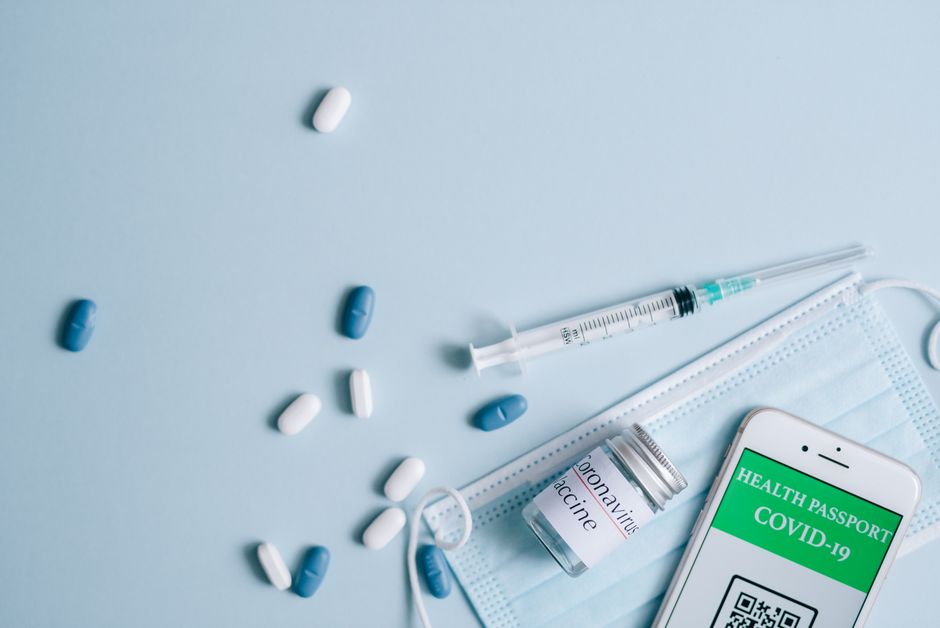
Common issues for Peoria, IL travelers include:
- Bringing more than a “personal supply” or surplus medications (research typical limits for your destination)
- Carrying items that appear as narcotics or psychotropic substances without the right permission
- Traveling with injectable medication or medical devices—always keep a prescriber letter for equipment like syringes or EpiPens
How Can You Prepare for Local Health Care Challenges Abroad?
Medical infrastructure, reliability, and available treatments can differ dramatically from what residents expect in Peoria. Some rural or developing regions may not have safe supplies or the same drug standards. Best practices include:
- Researching safe, official pharmacy locations in advance (use embassy or international health agencies for recommendations)
- Avoiding purchase of medications from unlicensed street vendors or unfamiliar sources
- Having a summary of your health conditions, allergies, and emergency contacts translated into the local language
Keeping these details in a safe, accessible place—including on your phone—can speed up emergency care decisions.
What Are Common Mistakes Area Residents Make When Traveling with Medications?
Local travelers sometimes overlook time zone changes or the impact of long flights on dosing schedules, leading to missed or doubled doses. Other common pitfalls:
- Failing to plan for climate-related storage needs (summer heat, winter freezing)
- Assuming travel insurance covers all medication emergencies—coverage varies widely, especially for pre-existing needs
- Packing all medicine in a single bag (risk of complete loss if luggage goes missing)
- Not understanding expiration dates and potential for certain medicines to degrade during travel
Thinking through these scenarios before departure helps prevent disruptions during the trip.


